



Tifblue Blueberry Bush
Original price was: $29.95.$20.97Current price is: $20.97.
- Excellent customer service online in a timely manner
- fast shipping
- Fast and Secure Payments
- Nature-friendly materials, 100%.

Premium Blueberry Super Plant
A member of the Rabbiteye family, the Tifblue Blueberry has long held a place of prominence among commercial growers and astute kitchen gardeners. It’s considered a premium berry – firm, sweet and flavorful – and has a proven track record for producing copious quantities year-after-year.
Easiest Blueberry to Grow
The Tifblue blooms in March with medium-sized berries ripe and ready to pick late-June through July. It adapts to conditions where many blueberry varieties struggle to mature. It has “roots” native to the Southeast but needs about 650 chill hours annually to turn out reliable crops.
This combination makes it heat and drought tolerant while being the most cold-hardy of the Rabbiteye blueberries. It’s disease resistant and has few serious pests… aside from the neighborhood birds capitalizing on a “free meal.”
Big Return with Minimal Investment
Known as a heavy producer, it doesn’t take long before the Tifblue is laden with fruit. It starts producing within a year or two of planting, and by year 7 or 8, harvest season can deliver up to 15 pounds of berries!
The Tifblue performs best with a cross pollinator nearby to maximize production and ensure bigger berries. The Brightwell and Climax varieties have proven compatible Tifblue Rabbiteye blueberry pollinators.
To get all the needed nutrients, the Tifblue prefers a bright, sunny location where the soil is highly acidic. Minimal pruning is required. A light trim before spring allows clusters to set and berries to reach their full potential.
Healthy and Nutritious “Blue” Ribbon Winner
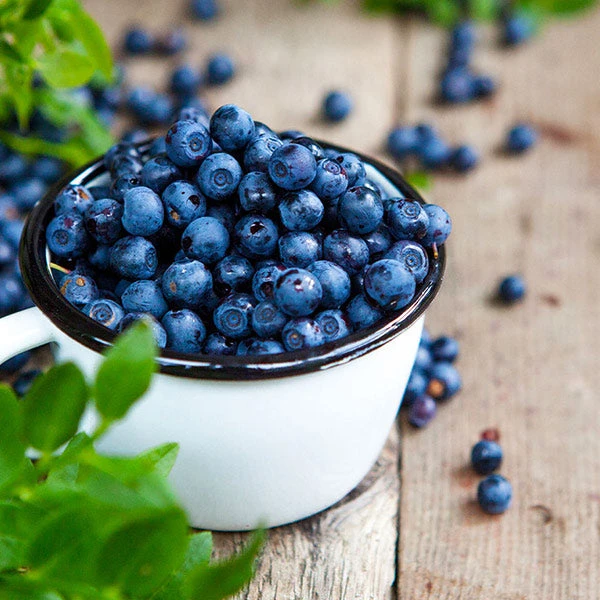
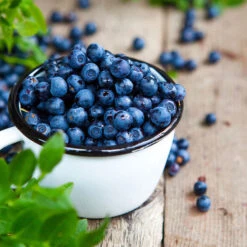
The Tifblue is a backyard garden super-food, enjoyed as a summer staple while affording plenty of extra produce for winter reserves. Its blue pigment is loaded with antioxidants, boosting the immune system and preventing infection. It’s packed with fiber, vitamin C and other vitamins and minerals that far outweigh its small stature in health benefits.
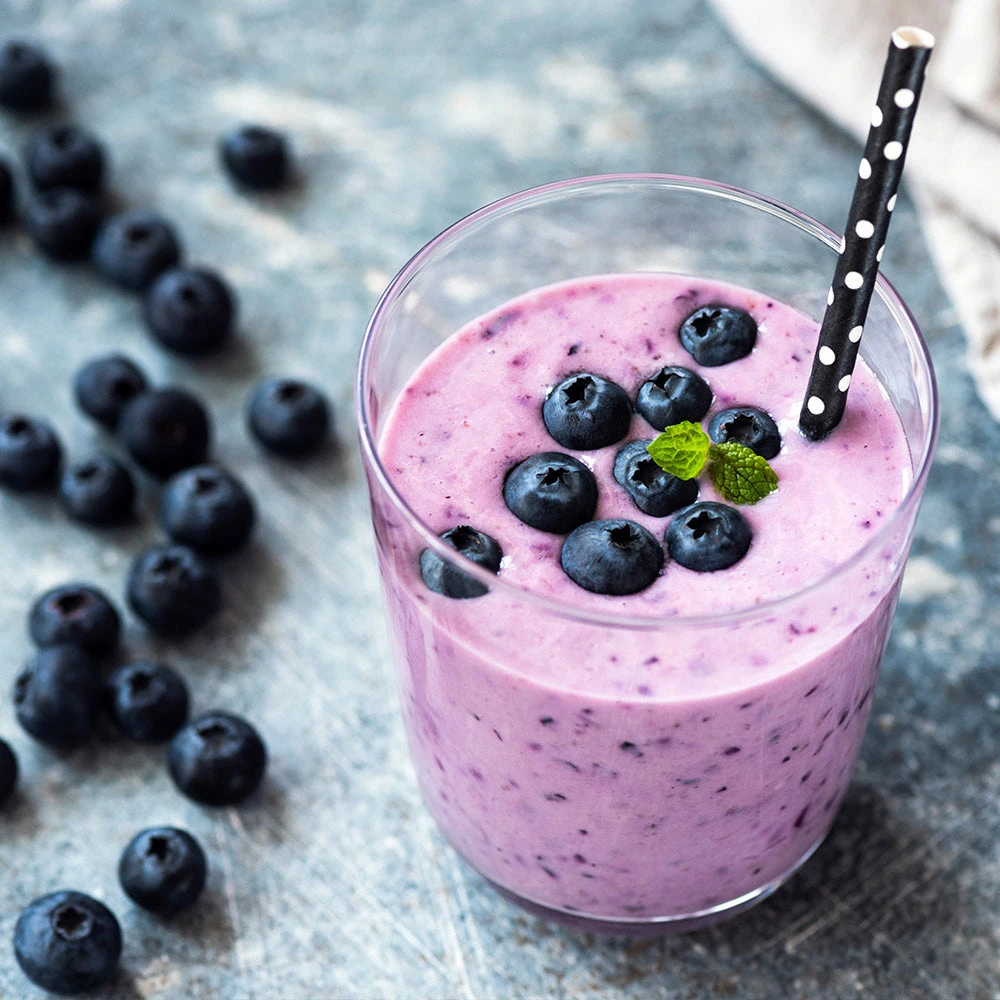
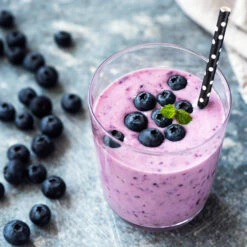
This blueberry adds a sweet taste and colorful texture to breakfast cereals, breads, smoothies and salads. To enjoy post summer, simply transfer straight from bucket to freezer containers. Thaw and wash as needed.
Festively Fruitful Shrub
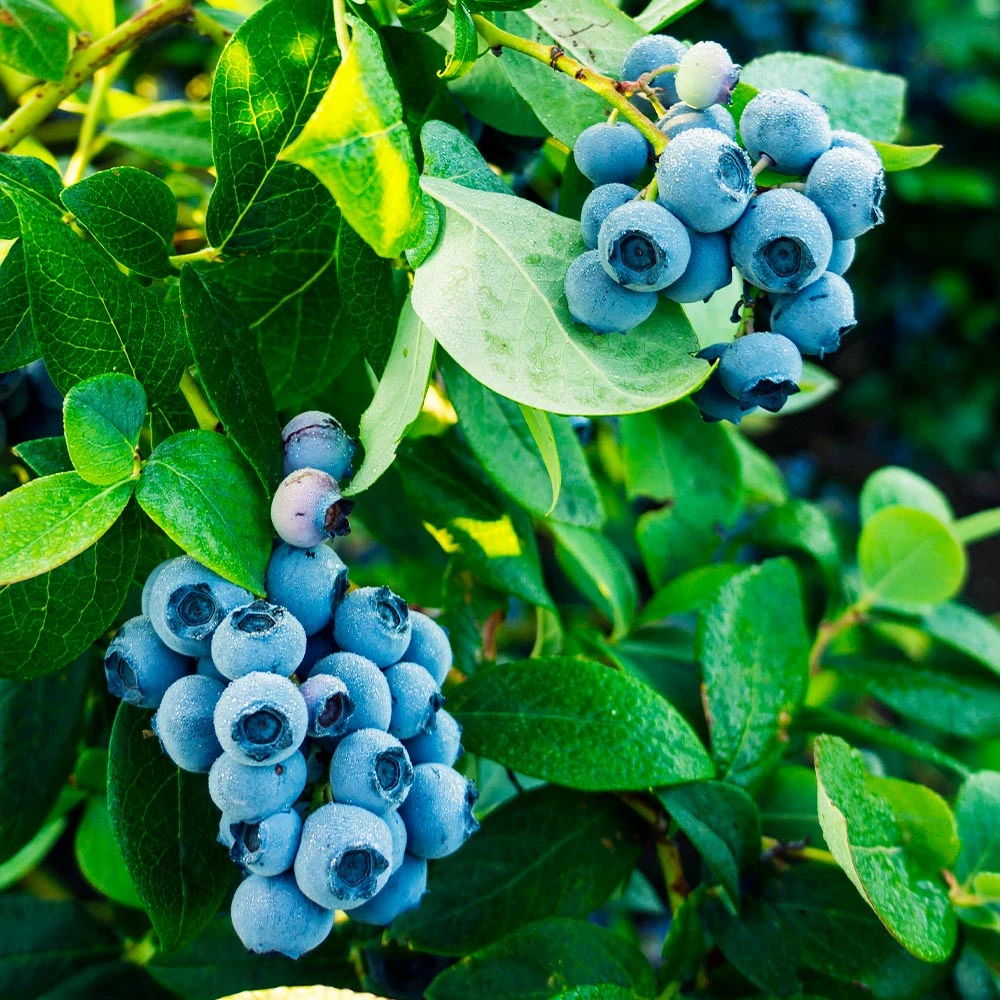
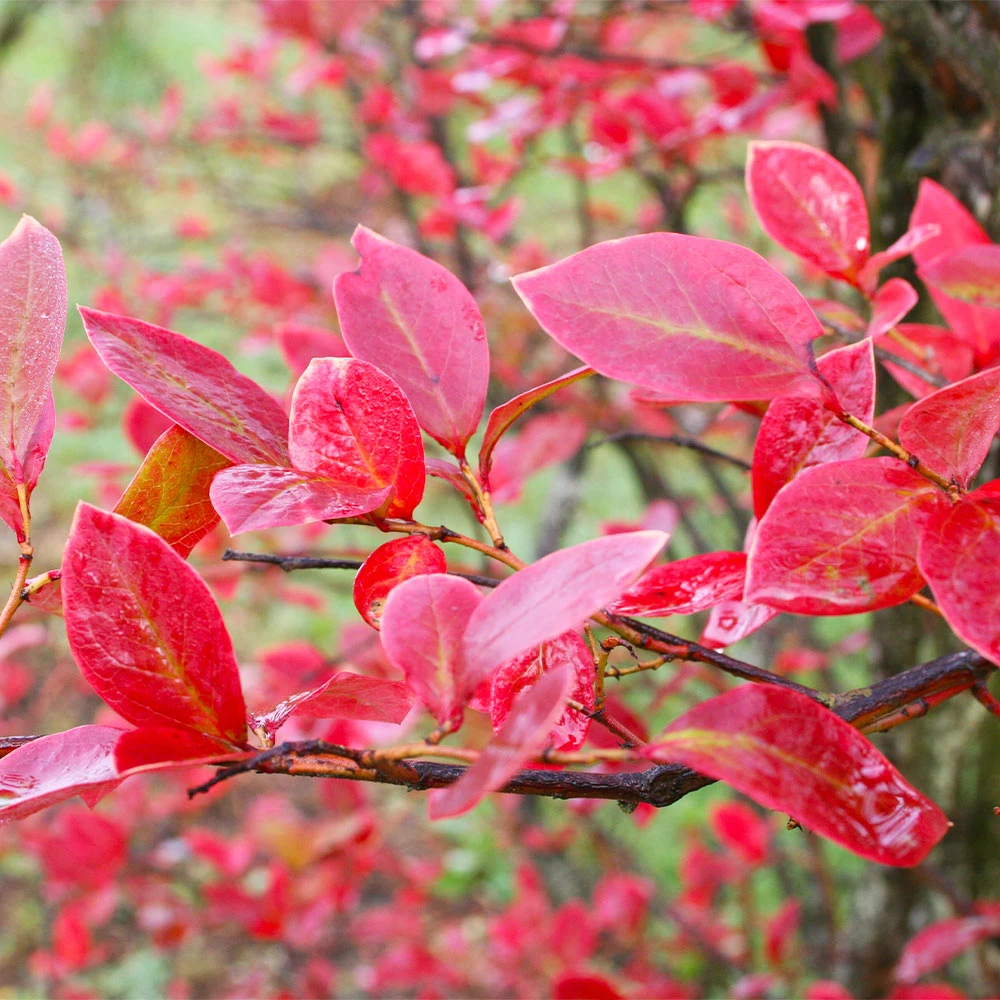
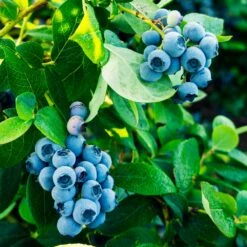
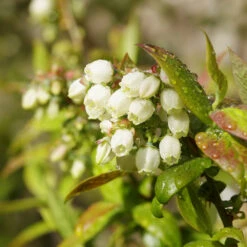
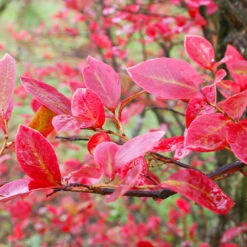
The Tifblue is more than just a practical food source — this shrub is an ornamental addition to your garden with three full seasons of interest. In spring, bell-shaped blossoms cover the shrub in a profusion of white and pale pink. As berries develop, they turn from green to pink to bright, blueberry blue. In one last radiant burst, the Tifblue’s glossy, green leaves take on a rich burgundy color at season’s end.
Unlike many fruit producers, this plant requires little space to thrive. It has a tall, upright habitat that works into your landscape as a border hedge, mass planting or fruitful focal point. If your yard space is limited, it can even adapt to container life with some additional maintenance.
A vigorous grower with high yields, it only takes a few of the Tifblue to stock your freezer full! Ready to start enjoying your own bounty of blueberries? Get your order in today for this favorite Rabbiteye variety.
Planting & Care
1. Planting: Plant the Tifblue Blueberry in well-draining soil and full sun. Dig a hole that is twice as large as the plant’s root system. Set the plant’s root ball into the hole and fill with soil. Press the soil down around the plant’s roots to firm and remove all air pockets.
Finally, apply a three-inch layer of mulch around the bush to inhibit unwanted weed growth and keep the soil moist.
To grow in a container, plant in a pot that is twice as large as the plant’s root ball. The pot should have adequate drainage holes in the base to allow the water to drain from the soil. Fill the container with three inches of potting soil, place the root ball into the pot, and firm the soil around the plant’s roots.
2. Watering: Water your Tifblue at least once per week to keep the soil moist, or check the soil about 2 inches down for dryness.
3. Fertilizing: Fertilize with an acidic fertilizer, and follow the directions on the fertilizer’s label for application ratios.
4. Pruning: For best fruiting, prune the oldest, lower branches on your Tifblue Blueberry Bush in late winter.
| Size | 1 Gallon, 2 Gallon, 3 Gallon, 5 Gallon, 4 Pack (1 Gallon), 4-Pack (3 Gallon), 1-2 ft., 6-Pack Blueberry Garden |
|---|
Be the first to review “Tifblue Blueberry Bush”
Related products
Apple Trees
Fruit Trees

Fruit Bushes
Fruit Trees
Apple Trees
Citrus Trees
Fruit Trees
Fruit Bushes
Reviews
There are no reviews yet.