



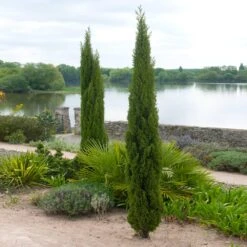

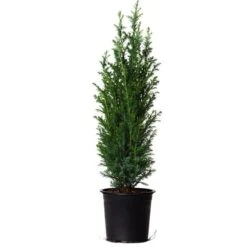
Dwarf Italian Cypress
Original price was: $109.95.$76.97Current price is: $76.97.
- Excellent customer service online in a timely manner
- fast shipping
- Fast and Secure Payments
- Nature-friendly materials, 100%.

Slow-Growing Compact Evergreen
Why Dwarf Italian Cypresses?
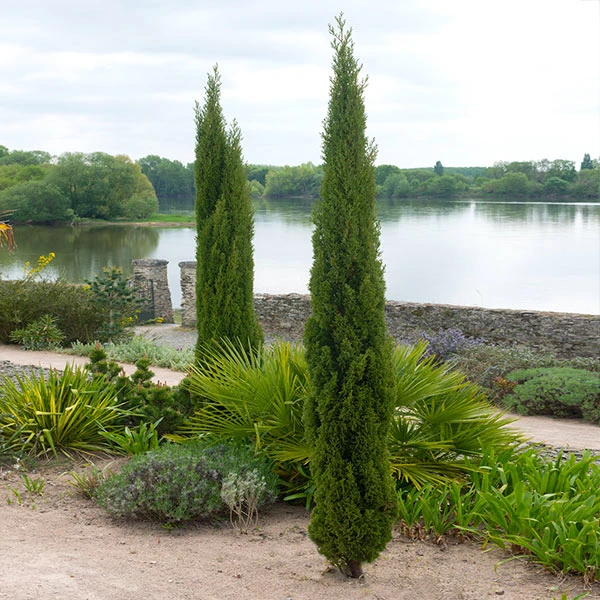
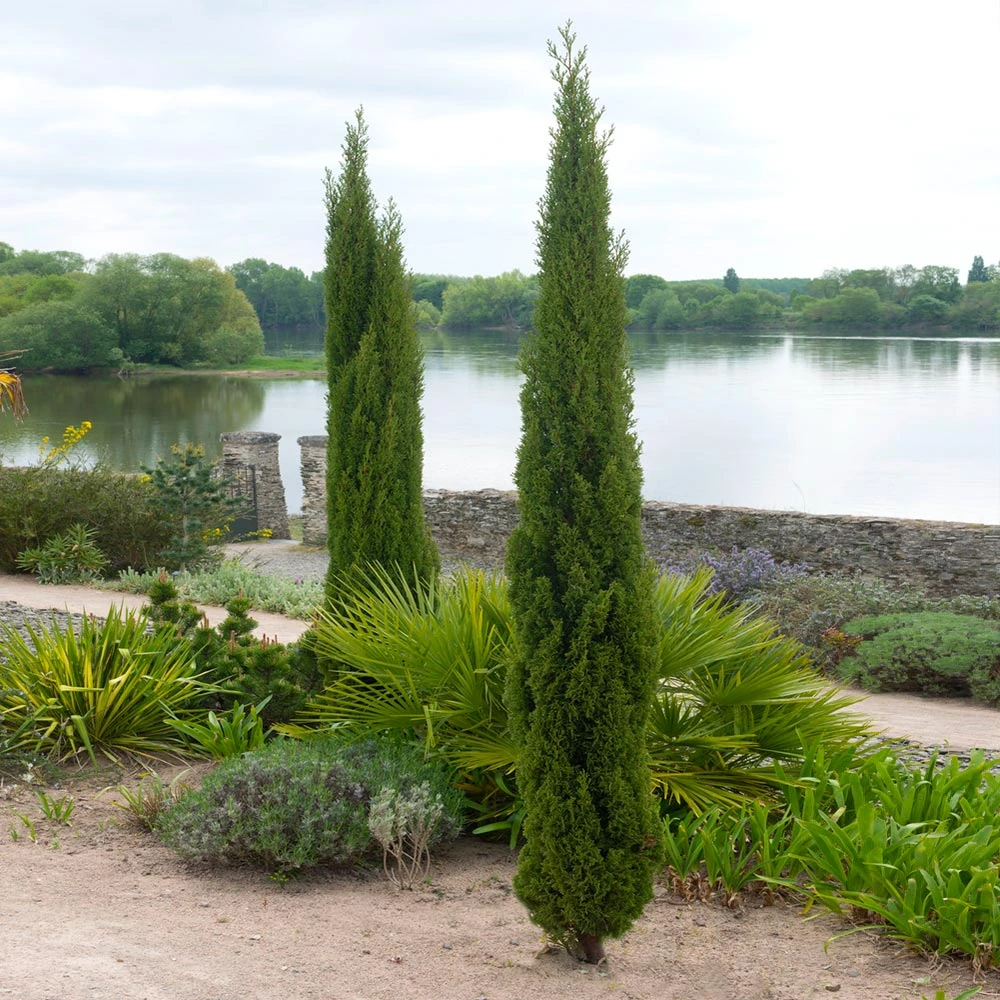
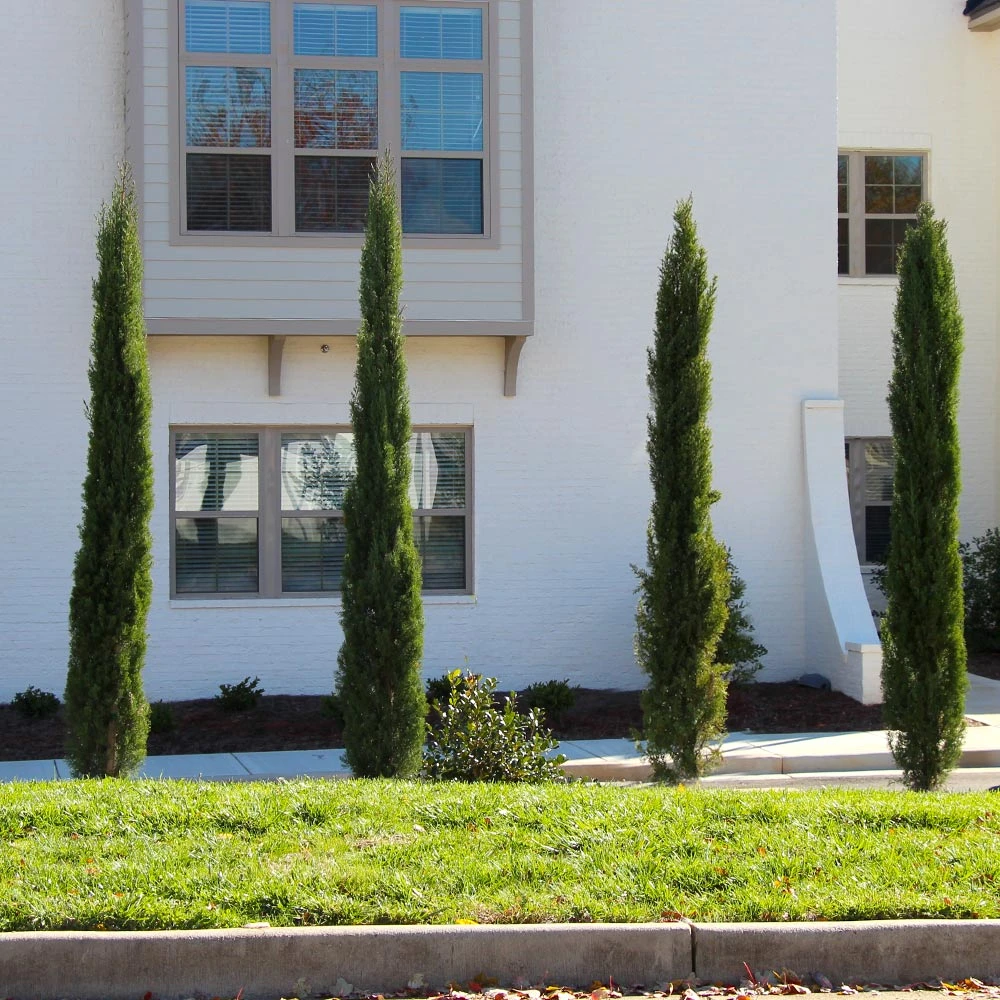
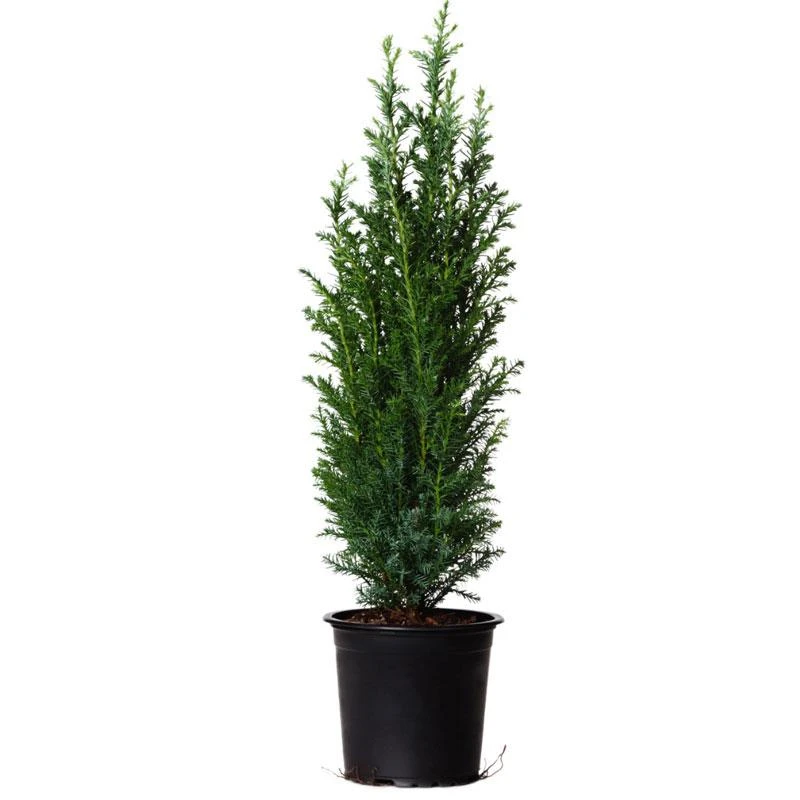
A narrow, columnar form and dense blue-green foliage merge, making the Dwarf Italian Cypress an instant favorite for your landscape. Even better? This prime pick maintains its form and tidy, well-groomed silhouette without pruning.
Especially since it loves full sun and tolerates drought. Dry conditions are no match for the Dwarf Italian Cypress, which stands up to climate struggles. And since it’s slow-growing, it acclimates well to your landscape…fitting right in with your other plantings and providing structure as a formal specimen, border, topiary or container-planted pair near your entryway.
Why Fast-Growing-Trees.com is Better
For starters, there’s nothing the Dwarf Italian Cypress can’t do – from thriving in tough conditions to adapting easily in the Golden State. But the top benefit? We’ve hand-selected this Cypress for best results. Our plant specialists and local experts have chosen this variety for its premium history and strong growth – now, you reap the rewards of a thriving plant that’s tailored for success.
So, whether you need privacy, lush borders, or just a sleek specimen in your plant beds, the Dwarf Italian Cypress fits the bill – get your own Dwarf Italian Cypress today!
Planting & Care
1. Planting: First, select a location with well-drained soil and full sun – any area with 6 to 8 hours of sunlight is ideal.
When you’re ready to plant, dig a hole that’s about one and a half to two times the size of your plant’s root ball, place the Dwarf Italian Cypress in the hole, backfill the soil, and water to settle the roots.
2. Watering: Once established, your Dwarf Italian Cypress is moderately drought tolerant, but it’s important to have a regular watering schedule for the first couple of growing seasons. Water about once weekly or check the surrounding soil near your Cypress – if the surrounding soil is dry about 2 or 3 inches down, it’s time to water.
3. Fertilizing: Apply a well-balanced, general-purpose fertilizer to your Dwarf Italian Cypress in early spring, before new growth begins.
| Height | 2-3 ft., 3-4 ft., 4-5 ft. |
|---|
Be the first to review “Dwarf Italian Cypress”
Related products


Blueberry Bushes
Citrus Trees
Fruit Trees
Fruit Trees
Fruit Trees


Cherry Trees
Citrus Trees

Fruit Trees
Reviews
There are no reviews yet.